

As an Amazon Associate I earn from qualifying purchases.
This page contains affiliate links, which means I may receive a small commission, at no extra cost to you, if you make a purchase through one of my links.
Below are client favorites, products I recommend for quality and effectiveness, and products that I often use in the salon or on myself at home.
If you need something sooner than at your next appointment, most of these can be delivered right to your doorstep, very quickly!
shortcut Index
All items in each category are further grouped into sub-categories by hair type and specific use.


Many clients say that the shampoo is the best part of getting a salon service, but it can be a bit of a chore when we have to do it ourselves. It's difficult knowing how often to wash, what to do, and what to use...
Let's break it down so that step one of the hair care routine can begin!
HEARD FROM BEHIND THE CHAIR:
"I HAVE TO WASH MY HAIR EVERY DAY, OR IT GETS TOO GREASY!"
Well, actually...
What's happening here is this: the scalp, much like the rest of the skin, produces sebum (oil). Sebum seals in moisture, preventing dryness and flakes, and shields against environmental damage and pathogens... and shampoo essentially strips it away! The scalp then produces excess sebum to compensate for that loss. In addition, many of the shampoo formulas out there contain heavy ingredients and silicones, which build up on the hair and scalp. Hard water and not rinsing thoroughly enough can leave behind residue that mimics grease. So we're looking at a problem that's caused by... the solution??
Let's look at a brief history of shampoo:
The ritual of scalp massage using herbs, flowers and oils was traced back to ancient times. The word "shampoo" originates from the Hindi word "champo", which means "to massage". Shampoo as we know it had rough beginnings. There was a water-soluble powder that originated in Germany by Hans Schwarzkopf. In the United States in the early 1900's through the 1920's, there was really just a small selection of harsh soaps. These soaps were used only every 4-6 weeks, and left a lot to be desired, as they caused an alkaline reaction in the hair and made it look dull. In the 1930's, the soap was replaced by synthetic detergents which were more pH balanced, and popularized in the United States by John Breck. It may be surprising to know that it wasn't until the 1970's- when celebrity-studded advertisements suggested that shampoo should be used several times a week- that the collective "wash day" frequency was increased. Let's not gloss over the whole "rinse and repeat" portion of the label's instructions, either. This means that there were influencers long before social media even existed, when you think about it! As explained above, shampooing more frequently creates the "need" to keep shampooing, and it's difficult to quit once it becomes a habit.
It's just one of the addictions created by advertising, though certainly one of the milder ones...
So, how does one "quit" washing their hair every day?
It takes some dedication, but it can be done! First, if the hair is washed daily, try skipping a day and wash every other day. Do this for a few weeks to a month or more. Next, skip two days in between washes, and repeat the process until wash day happens only 1-2 times a week. The most important part of this process will be brushing the hair every day in between washes. Thorough brushing from scalp to ends will move excess sebum to where moisture is needed the most. It's also a great way to improve circulation in the scalp, and feels really nice! Over time, the hair will become noticeably softer, shinier, and more manageable.
PRO TIPS:
When washing the hair, shampoo should be focused on the scalp, and avoided on the mid-lengths and ends (unless needed to remove product and buildup). Lather well, massaging the scalp with pressure from the fingertips, and when rinsing, continue manipulating the scalp. If the shampoo is focused on the scalp only, it will gently cleanse the mid-lengths and ends as it is rinsed, preventing over-drying. When conditioning, focus product on the mid-lengths and ends, where moisture is needed the most. For some, it can be easier to detangle while conditioner is in the hair- just make sure to use a wide-toothed comb, as hair is more fragile when wet.

FAQ: DO I HAVE TO USE PROFESSIONAL BRANDS OF SHAMPOO AND CONDITIONER?
Of course not. However, professional brands typically are higher in quality, meaning less is used for the same or better results. Using less results in buying less often. Hair history is a factor, too. Coloring, perming, highlighting, relaxing or frequently heat styling may require a higher caliber of product to keep it in good shape. If the hair feels dry, is flyaway, prone to static, or unmanageable while using a certain brand or type, it may be time to evaluate whether that particular product being used is a factor.
We don't judge drugstore varieties here, though. My motto is "If it works, it's a good product"!
FAQ: DO I HAVE TO USE CONDITIONER AT ALL?
Again, no. Many clients with fine or thin hair skip the conditioner because they feel it weighs their hair down. Conditioner was designed to replenish the moisture that shampoo has the tendency to strip out along with dirt, sweat, oil and styling products. By following the washing Pro Tip above and keeping it off the scalp, there's really no reason to skip it, though. If the hair is showing signs of dryness, such as frizz, flyaways, brittleness, or static, it helps to add some moisture. Again, conditioner should only be applied to the mid-lengths and ends of the hair, to avoid weighing it down at the roots or causing buildup at the scalp.
FAQ: HOW DO I KNOW WHICH BRAND TO USE?
Following recommendations from a professional is a good start. Before making the puchase though, it may be a good idea to do a little extra research- read ratings and reviews to see if others mention they have a similar hair type and that it works for them. If the recommendation is for a salon specific brand and it causes apprehension, keep in mind that these branded products usually come from the same manufacturer as other well-known brands. Otherwise, sadly, most products have to be tried to see if they'll work for a specific individual. The brand is less important than finding a product type that works for the needs of the hair- unless certain factors like vegan, eco-friendly or sulfate-free are a must. I personally am a sucker for the products that smell good, but if that product is not making my hair feel or look good, I'll switch to a product I know will fix it, regardless of fragrance- but I'm always on the lookout for a product that offers the best of both worlds!
Who would have thought that something as simple as washing hair could be so complicated?? It's really not-
As an Amazon Associate I earn from qualifying purchases.
This page contains affiliate links, which means I may receive a small commission, at no extra cost to you, if you make a purchase through one of my links.
for color-treated hair
(paid link)
(paid link)
(paid link)
(paid link)
Joico K-Pak Color Therapy Shampoo
Joico K-Pak Color Therapy Conditioner
Milk_Shake Colour Care Flower Shampoo
Milk_Shake Colour Care Flower Conditioner
FAQ: DO I HAVE TO WASH MY HAIR BEFORE COLORING?
It depends... clean, dry hair will typically process better with color or lightener, so generally speaking, yes. However, if it has been washed within 24-48 hours before coloring and hasn't had too much product or too many products applied, it should be fine. If it has been longer than that, or if the hair tends to be very oily, it might be a good idea to wash it.
PRO TIPS:
Shampoos and conditioners made for color-treated hair have extra moisturizing ingredients, since color-treated hair tends to get dry after processing... However, it's not necessary to have colored your hair in order to enjoy the extra moisture!
for blonde & gray
(paid link)
(paid link)
(paid link)
(paid link)
(paid link)
(paid link)
PRO TIPS:
Purple shampoos and conditioners help to neutralize yellow tones, and extend time between toning sessions for your platinum and silver blondes. Black shampoos and conditioners help neutralize copper and yellow tones on blondes and gray hair and help maintain gray and silver tones on artificially grayed hair.
for brunettes
(paid link)
(paid link)
PRO TIPS:
Cold Brunette is a blue-pigmented line that is specially formulated to neutralize unwanted orange and red tones in brown, dark blonde, or color-treated hair, leaving it with a cool, ashy tone.
volumizing/thickening
(paid link)
(paid link)
(paid link)
(paid link)
(paid link)
PRO TIPS:
Volumizing shampoos and conditioners tend to reduce the amount of emollients (moisturizing agents) in them, in order to avoid weighing down fine or thin hair. Therefore, it is important to use a deep conditioning mask every now and then to keep fine or thin hair from becoming too dry, which leads to breakage and further thinning.
(paid link)
(paid link)
daily use
PRO TIPS:
Daily shampoos and conditioners are gentle and balanced, and won't over-dry your hair or weigh it down.
for curly hair
(paid link)
(paid link)
(paid link)
PRO TIPS:
Curly hair is drier by nature, so using a hydrating shampoo and conditioner is essential. Detangling with a wide-toothed comb while conditioner is in your hair, and then squeezing excess water out with a towel instead of rubbing to dry helps reduce frizz.
for oily scalp
(paid link)
PRO TIPS:
The difference between a clarifying shampoo and a normalizing shampoo: clarifying targets mineral, product, oil and dirt buildup on the hair, while normalizing helps create balance of oil on the scalp.
for dandruff/dry scalp
(paid link)
(paid link)
(paid link)
(paid link)
PRO TIPS:
When dealing with dandruff or dry scalp, using a shampoo brush can help loosen flakes, increase blood flow to the scalp and feels great!
See Scalp + Skin Care for more tools and products!
for deep cleansing/detox/clarifying
(paid link)
(paid link)
(paid link)
(paid link)
(paid link)
(paid link)
PRO TIPS:
Clarifying, detox and deep cleansing shampoos help remove buildup of styling products, hard water minerals, chlorine from swimming, oil and environmental pollutants, which can make the hair feel heavy and look dull. By removing impurities, the hair can better absorb moisture, and natural definition and vibrancy can be restored. Companion conditioners are more lightweight and add softness without buildup.


PRO TIPS:
No matter your hair type or density, or whether your hair is damaged or healthy, everyone can benefit from a deep conditioning treatment or mask! If you wash your hair daily, once a week is good. If you wash your hair weekly, once a month is good. If your hair is damaged or dry, you can use a deep conditioner as often as you like, or substitute a mask for your regular conditioner every time.
for color-treated hair
for curly hair
for all hair types


PRO TIPS:
Leave-in conditioners are typically the next step after towel-drying your hair. They provide a multitude of benefits- from making detangling a breeze, to adding moisture, shine and softness. Some also add heat protection!
for all hair types
for added heat protection
for curly hair
for frizzy hair

PRO TIPS:
Serums and oils can help retain moisture, reduce frizz, smooth the hair and add shine. For most hair types, a little goes a long way. For curly, damaged, dry or gray hair, it's ok to use more! For best results, add 1-2 drops to the palm of your hand to start, rub your palms and fingers together to emulsify, then start gently massaging into the ends of your hair and work your way up to the top. Your hair can be damp or dry, and you can add serum/oil before or after applying other products. Avoid the scalp area whenever possible to keep from making your hair fall flat or look greasy. Add more as needed!
for all hair types
See Scalp + Skin Care for more natural oils that are great for the hair!

PRO TIPS:
Heat is your hair's #1 nemesis... Applying a thermal protectant is an essential step in your routine to ensure as minimal damage as possible! To really minimize damage, apply before blow dry styling and again before using a hot tool, if you do both. Make sure the product is dry before ironing!
for all hair types

PRO TIPS:
FAQ's about applying styling products...
-
How much should I use? Start with a quarter-sized dollop, and emulsify between your palms so that it's spread evenly between your hands and there are no globs. For thin/fine hair, use a little less, and for thick hair use a little more.
-
When do I apply it? While hair is damp and after applying leave-in conditioner and thermal protectant.
-
Where on my hair do I apply it? Start at the ends and work your way up; avoid applying directly to the scalp, except for when using a volumizing product, which helps lift the hair up and away from the scalp.
for hold
for curls
Milk_Shake
Fixing Paste
PRO TIPS:
Typically, gel and mousse will give firmer hold and a dry feel when set, while creams and pastes give more flexible hold with a slightly tacky feel and matte finish, and pomades give flexible hold with a tacky feel and added shine. Texturizing products help to define waves and give a "piecey" look and volume throughout the mid-lengths and ends, and volumizing products aid in lifting hair at the root area.
for smoothing
for texture
Milk_Shake
Smoothing Cream
for volume/thickening
Milk_Shake
Texturizing Cream
for shine

PRO TIPS:
These are products that can help you achieve "Second-Day-Hair" for another two days, push that wash just one more day out, or get you through a week or two before your next color appointment!
for color refreshing
natural shades
for color refreshing
vivid shades
for color refreshing
natural + vivid shades
PRO TIPS:
Shampoos and conditioners that deposit color can help refresh natural or vivid colors that have faded, allowing you to go longer in between salon appointments! Both shampoo and conditioner in these varieties deposit color, with the shampoos depositing more and conditioners usually depositing slightly less. However, the shampoos can be a bit drying to the hair for some, so if your hair is already dry, it might be better to go with the conditioner only.
for root coverage/highlight touch-ups
dry shampoos

PRO TIPS:
Don't be put off by the thought of wearing a hairpiece- it's an affordable, easy way to look great while growing out your natural hair! If your hair is fine or thinning, there's also the added bonus of making it look thicker and more voluminous. There's no need to worry about cutting or styling most of these pieces, as they are pre-curled or serve as a shorter top layer, though you can get them trimmed to blend if you prefer. Pictured below are pieces in gray blends, but all links have multiple shades available. You decide whether you want to wear a piece in your current, artificial color, or add instant gray highlights or the appearance of a full head of silver. The best thing about hair toppers, ponytails and scrunchies is that you can use them even after your gray has fully grown out as a quick style aid, and since they come in a variety of colors, anyone can wear them!
for the beginning of your journey- toppers
Toppers work well for any phase of your journey, but work best for those who have just started and have less than 4 inches of natural gray outgrowth.


for the middle of your journey- ponytails
These types of pieces work best for those who have at least 4-6 inches of natural gray outgrowth (if you were to pull your hair back, you would mostly see your natural color and little to none of your previous color). Any remaining hair with artificial color around where it is gathered can be hidden by the fluffed out strands/curls of the ponytail or by the ponytail itself. These are very simple to use, just style your hair into a ponytail or bun, then clip on!

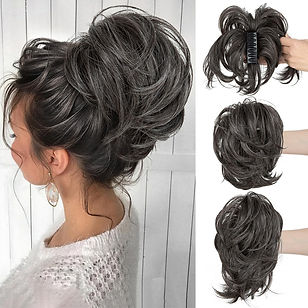

PRO TIPS:
It's usually not necessary to wash your hairpiece frequently, unless you have been wearing it for long periods of time and/or often. Your hairpiece should be worn only when you feel you need to, and you should let your scalp breathe as often as you can. When you do need to wash your hairpiece, only wig shampoo and conditioner should be used, as well as a wig brush and wig conditioning spray or oil spray to gently detangle. Most synthetic pieces will air dry back into their original shape, so it's not necessary to blow dry or heat style. In fact, unless your hairpiece is listed as heat resistant, no hot tools should be used at all!


for the end of your journey and beyond- scrunchies


PRO TIPS:
Scrunchies are best for those who are in the final phase of growing out gray, and they'll get you through until you're ready to cut off the last of your artificial color. Simply style your hair into a bun, and wrap the scrunchie around the bun to secure. You'll love having your hairstyle take no time at all to look like you got it professionally styled, and these pieces are perfect for lazy days and bad hair days.

PRO TIPS:
These are TSA-approved containers that you can fill with your favorite products and take wherever you go! This is a more sustainable option over buying multiple disposable travel-sized products. Refill with your favorite products again and again. Each of the sets below come in multiple color combinations!


PRO TIPS:
It's hard to beat the smooth finish of a hot curling or flat iron- just make sure you're using a thermal protection product to create a barrier between your hair and the hot tool! Always start with small sections and lower temperatures to keep your hair from getting damaged.


PRO TIPS:
Not sure which size barrel to choose for your hot air styler or curling/flat iron? A good rule of thumb is to match a smaller attachment, barrel or plate to shorter hair, and a larger size to longer hair. Smaller sizes of curling or flat irons can still work on longer hair, as long as smaller sections of hair are curled or straightened at a time. For round brush attachments on hot air stylers, small sizes can tangle long hair, and large attachments can make it difficult to wrap short hair around them.


PRO TIPS:
If you're experiencing dry, dull, lifeless locks or split ends and breakage, heatless styling is a great way to reduce stress on your hair while keeping it looking put together! Before you buy, remember that the longer your hair is, the longer or wider the roller should be. Rollers that are small in diameter will create a tighter curl, but might not work on long or thick hair if the hair doesn't fully dry. For tighter curls on long hair, opt for long, narrow in diameter rods, and avoid overlapping the hair as you roll.


PRO TIPS:
Heatless styling can take a little getting used to, and can seem like a lot of work if you don't use the right aids for your hair type!
Fabric Styling Aids and Flexi Rods work for hair types that are straight to wavy, and work best on freshly washed hair that is 80-95% dry. Add a little setting lotion, hairspray or mousse, wrap, then let set overnight or for at least a few hours (or until completely dry).
Magnetic Rollers work best for "wet sets" on straight hair that doesn't hold a hot iron curl. It also works well for wet sets on curly and frizzy hair to give a smooth finish. On damp hair, add a setting lotion, mousse, or a 50/50 mix of gel and water in a spray bottle and spray evenly on hair. Comb small to medium sections smooth, wrap around the roller, and secure with a hinged clip. once the hair is completely dry, remove the rollers and gently separate curls or brush lightly to voulumize.
Velcro (self-grip) Rollers work best for volumizing fine hair or bangs, and can also be used to set volume and curl on hair that is still warm from blow drying.

PRO TIPS:
With so many to choose from, it can be overwhelming to know what to buy when it comes to brushes and combs! Below, all recommended tools are suitable for most hair types unless otherwise noted, and broken down into specific purposes to make it a little easier for you to choose.
detangling


PRO TIPS:
For curly hair, it's best to detangle either before you wash while your hair is dry (brush), or with a wide-toothed comb while you have conditioner in your hair. For brittle or fragile hair, it's best to detangle while the hair is dry, as hair is more fragile when wet.
for extensions


blow dry styling- for smoothing, curling and volume
PRO TIPS:
Extra care must be taken to avoid putting tension on the extensions or snagging on the installation point. Loop brushes and dual bristle brushes still make contact with the scalp to move natural oil (sebum) through to the ends where moisture is needed, but are designed to be gentle by not having any parts that can snag the hair.
for short hair & bangs


for medium-length hair


for long/extra long hair


blow dry styling-for straightening


for styling- smooth buns + ponytails
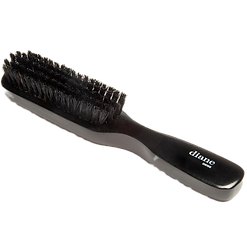


PRO TIPS:
Hair accessories add pizzazz to everyday styles. They also help when growing out your hair, as you need to adjust your styling techniques along the way.

Kitsch Satin Scrunchies
(multi options)


PRO TIPS:
A silk or satin bonnet ensues that your style stays in place while you sleep by creating slip instead of of snag!!

PRO TIPS:
Shampoo brushes and head massagers help stimulate blood circulation, loosen dead skin cells, product buildup and dirt/debris- plus they feel amazing on the scalp!
Rosemary and Castor oils have been known to help in new hair growth on the hairline, brows and lashes, while jojoba and organ oils moisturize and add shine and smoothness to the hair lengths.
scalp + hair
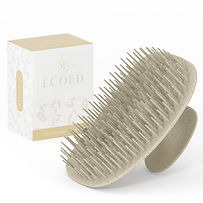


PRO TIPS:
A shampoo brush is meant to be used while your hair is lathered up. Firm bristles loosen dirt and dry skin. Hair accessories add pizzazz to everyday styles. They can also help when growing out your hair, as you need to adjust your styling techniques along the way.


face


eyes


body


mani/pedi


PRO TIPS:
These are items that help your tools stay clean and hygienic, and assist in keeping your hair healthy and looking great.
for the bed

PRO TIPS:
Satin or silk pillowcases are a great option for reducing friction on your hair while you sleep- especially if you don't want to wear a bonnet or scarf!
for the bath


PRO TIPS:
Installing a filtering shower head helps reduce the effects of hard water on your hair, plus reduces hard water stains in your tub and shower. A drain hair catcher will save you from having to call a plumber!
for hair brushes


for hot tools
PRO TIPS:
When was the last time you cleaned your hairbrush? Now would be a good time! Your hairbrush should be cleaned and sanitized just like your makeup brushes. Use the brush cleaning tool to remove shedded hair, wash and scrub with dishwashing soap to remove oil and products, then spray or soak with disinfectant for clean, hygienic brushes.


for makeup brushes


for storage + organization


